Vision Isn't a Document. It's an Experience You Create Before You've Lived It.
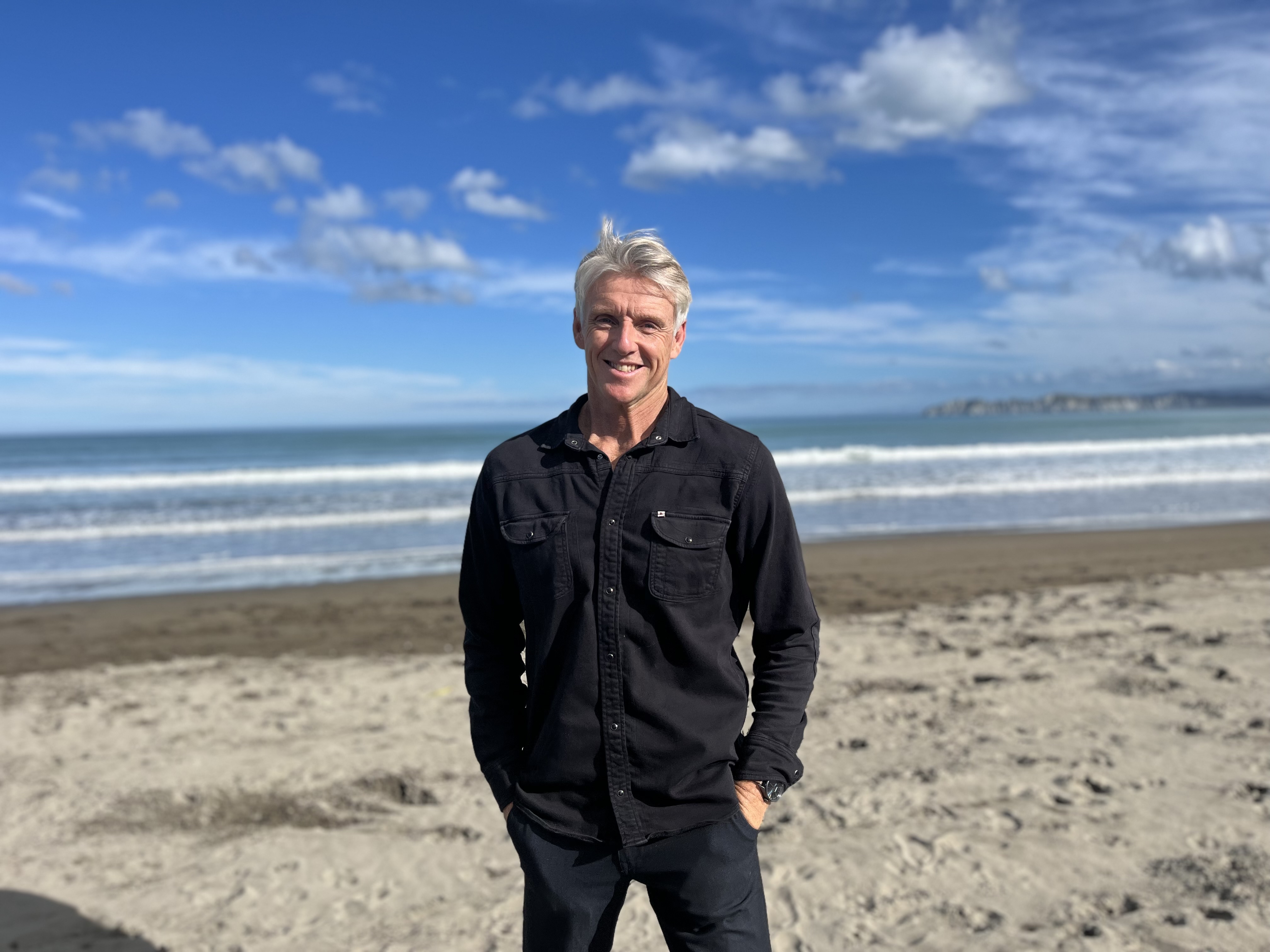
One of my favourite quotes is : To realise your dreams, you have to wake up. — Muhammad Ali
My good friend Tim is in his 40s. Busy. Successful. A bit comfortable, if he's honest.
He'd been taking his kids to jiu jitsu for months, encouraging them to push through nerves, to turn up, to compete. So when his daughter looked at him and asked "Dad, are you going to enter too?" — he had a dilemma.
Last weekend, Tim stepped onto the mat for his first ever tournament.
He told me afterwards about the moment just before his first match. Heart hammering. Mouth dry. Time slowing down. Everything hyper-real — the sound of the crowd, the weight of the gi on his shoulders.
"I've never felt so awake in my life." he said. That word stopped me. Awake.
The Comfortable Half-Sleep of Strategic Planning
We talk a lot about vision in business. About strategy. About where we want to be. But here's what I've noticed working with business owners across a range of industries: most strategy happens in a kind of comfortable half-sleep.
We sit in a boardroom. We write things on whiteboards. We nod at slide decks. Then we go back to our desks and do what we were doing yesterday. The vision never quite lands. Not because the thinking was wrong — but because we never actually felt it.
A Shock to the System
Jon Kabat-Zinn, the mindfulness researcher, writes about what happens when a serious health diagnosis shocks someone into full presence. Suddenly they access resources they'd forgotten they had. Priorities clarify. Energy redirects. The future becomes vivid and urgent and real.
A shock to the system, he argues, can be the occasion of a genuine wake-up call — if we're willing to hold it with care and attention rather than flinch away from it.
Tim's jiu jitsu tournament was a controlled version of that shock. He didn't just think about competing. He felt it in his body. And that changed something.
Real Self-Esteem Is Built by Doing Hard Things
Tim didn't have a fairytale debut. He drew his first match and got thoroughly smashed in his second. He grinned telling me this.
And that grin matters. Because there's something important in it that we've largely forgotten. An easy life doesn't build great character. Self-esteem — real self-esteem, not the kind that comes from affirmations and comfort — is built by doing hard things. By stepping into situations where the outcome is uncertain, where failure is genuinely possible, where something is actually at stake.
Tim didn't walk away diminished. He walked away more alive. More himself. With something that no amount of watching from the sidelines could have given him.
How Real Does Your Vision Actually Feel?
The neuroscience backs this up. When we imagine a future in sufficient detail — when we see it, feel it, hear it, inhabit it — our brains begin to treat it as real. Dr Joe Dispenza's work on mental rehearsal shows that the body doesn't always distinguish between a vividly imagined experience and a lived one. Elite athletes have known this for decades.
Which raises an uncomfortable question for most business planning processes:
How real does your vision actually feel?
Not intellectually. Not on paper. In your body. In your gut. When you close your eyes and picture your organisation three years from now — can you smell the coffee in the new premises? Can you feel the energy of the team? Can you hear what clients are saying about you?
If the answer is vague or flat, the vision probably isn't doing its job.
Vision Starts With a Feeling
The best strategic work I've seen doesn't start with a spreadsheet. It starts with a question: What would it feel like if we actually got there?
When leaders can answer that question with specificity — when they can paint the picture in enough sensory detail that it creates a genuine felt sense of the future — something shifts. The gap between today and tomorrow stops feeling abstract. It starts feeling like a distance worth crossing.
Vision isn't a document. It's an experience you create before you've lived it.
Wake up. What's the thing you should be stepping into right now?


