From Vision to Global Impact: What Live Aid Teaches Us About Leadership
Forty years ago, a single phone call changed the world. Bob Geldof, watching BBC news footage of the Ethiopian famine, didn't start with a strategic plan or a feasibility study. He started with a vision so powerful it mobilized the planet.
In just 38 days, that vision became Live Aid — the largest concert in history, watched by 1.9 billion people across 150 countries, raising over £150 million for famine relief. What followed was even more extraordinary: Live 8 in 2005, which helped secure the cancellation of billions in third-world debt.
None of this started with strategy. It started with visualisation.
The Visualisation-First Approach
Geldof didn't begin by analysing market conditions or conducting stakeholder mapping. He saw a future state — a world where musicians united to fight famine — and held that vision so clearly that others couldn't help but see it too. Within hours, he had Midge Ure on board. Within days, "Do They Know It's Christmas?" was born. Within weeks, the impossible became inevitable.
This reflects what we see in breakthrough leadership across all sectors: transformational leaders start with the end in mind, not the means.
Why Visualisation Trumps Strategy (Initially)
In my work with executive leaders, I've observed a critical pattern: those who create lasting impact begin with visceral, emotionally-charged visions of their desired future state. Strategy follows vision, not the other way around.
Consider these elements that made Live Aid's visualisation so powerful:
Clarity of Purpose — Geldof could describe exactly what success looked like: concerts simultaneously broadcast globally, with every major artist participating, raising unprecedented funds for famine relief.
Emotional Resonance — The vision wasn't just logical; it was deeply felt. It tapped into fundamental human values of compassion and unity.
Collective Ownership — The vision was bigger than any individual. It required — and inspired — collective action from artists, broadcasters, governments, and ordinary people worldwide.
Time Urgency — The 38-day timeline created productive pressure that prevented overthinking and drove immediate action.
The Danger of Getting Busy Without Vision
How many initiatives in your organisation are driven by activity rather than vision? How often do we mistake motion for progress?
Without clear visualisation of the desired future state, teams default to:
Executing tasks without understanding purpose
Optimising current systems rather than imagining better ones
Responding to immediate pressures instead of creating long-term value
Working harder rather than working toward something transformational
Practical Applications for Modern Leaders
Start with your "Live Aid Moment" — What future state can you visualise so clearly that it compels action? Not just what you want to achieve, but what success looks, feels, and sounds like.
Make it visceral — Your vision should create emotional response, not just intellectual agreement. If it doesn't give you — and others — goosebumps, it's not compelling enough.
Communicate through story — Geldof didn't present spreadsheets; he told stories that made the invisible visible and the distant immediate.
Embrace productive urgency — Set timelines that feel impossible but achievable. This forces innovation and prevents perfectionism paralysis.
Build coalition through vision — The right vision attracts the right people. Don't start by asking what's possible; start by sharing what's necessary.
Beyond Personal Achievement
Like Live Aid's evolution into Live 8 and ongoing global impact, the most powerful visions transcend their original scope. They create movements that continue generating value long after the initial goal is achieved.
When leaders master visualisation-first thinking, they don't just hit targets — they transform possibilities.
The question isn't whether your next initiative will succeed. The question is: can you see it so clearly that failure becomes unthinkable?
About the Author
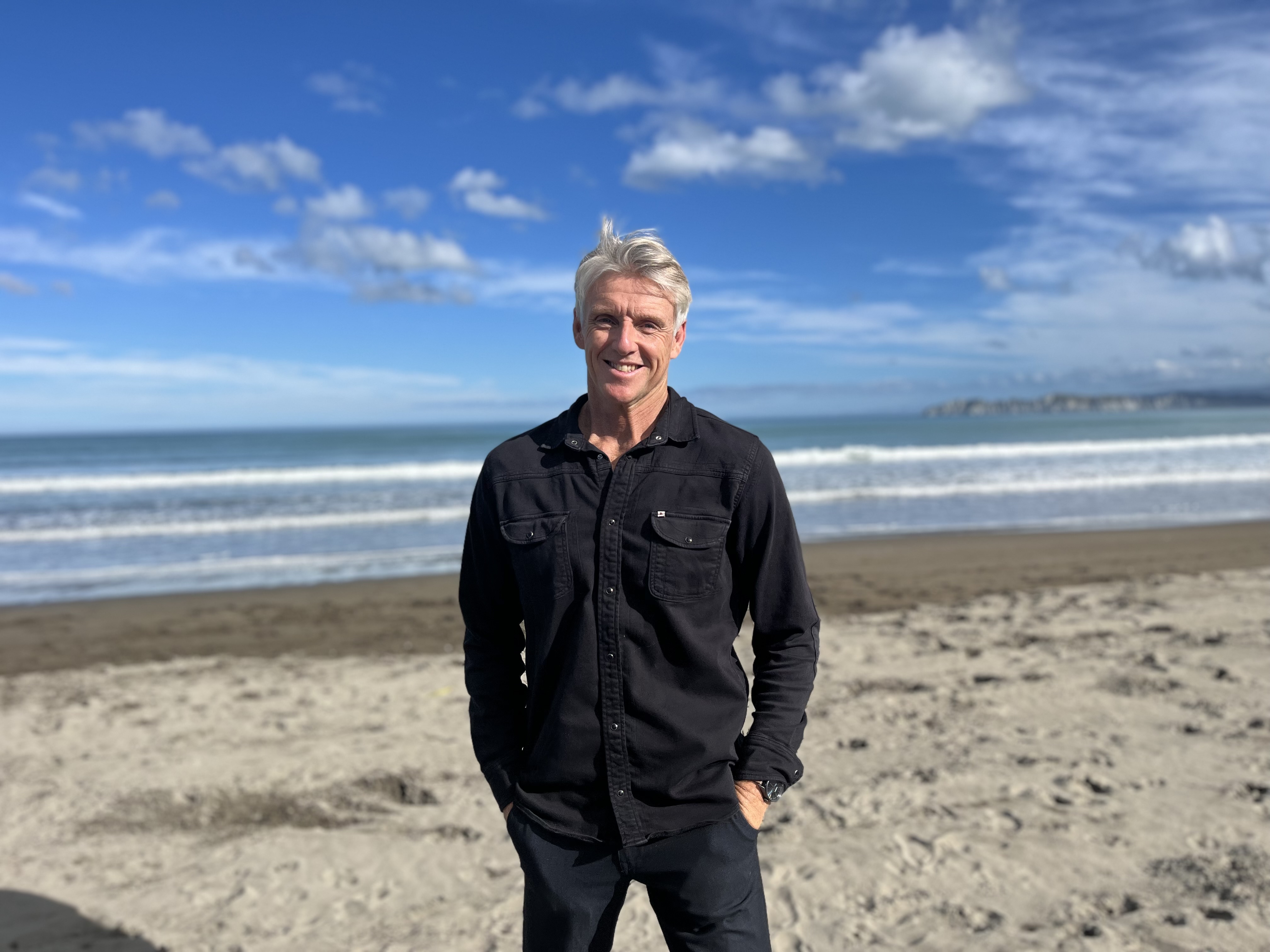
Pete Howarth-Jarratt is a business coach and speaker helping leaders and businesses get unstuck. This article sits at the heart of Vision First — his strategic planning methodology that starts where all great strategy should: with a vision so vivid and compelling it makes the path forward feel inevitable. Get in touch at petehowarthjarratt.com


