Victory Belongs to the Most Tenacious
Lucky enough to be watching the world number one just about to serve an ace at the Olympic Games, I looked up at the slogan above the stadium.
"Victory belongs to the most tenacious." — Roland Garros
Tenacious: not readily relinquishing a position, principle, or course of action; determined.
In my years of coaching, I single out this trait as a key determinant of success. For me it translates as grit — the quality that keeps you going when others have already given up.
Media would tell us it's talent, skill and creativity that separates the greats — this makes appealing advertisements and sells trainers. The real story is not so attractive. The real story is hard work off the court, so you are prepared and ready when your opportunity arises. This is what separates those that meet their goals and those that fall short.
The Parallel Between Sport and Business
Just as athletes rely on coaches to reach their peak performance, in the business world leaders are seeking the same advantage. A sports coach provides guidance, strategy and support to help athletes overcome obstacles and achieve their goals. An executive coach plays a similar role for business leaders — offering a space for reflection, challenging leaders to develop their strengths and addressing any weaknesses that may be holding them back.
The Coachee Has to Put in the Work
At this point I come back to the Roland Garros statement of tenacity. You can have the best coach in the world — but the coachee has to put in the work.
In my role I like to sweeten the challenge with the visualisation of success. What will it feel like to win? If I can impress this on my coachee then the motivation to overcome the necessary barriers is increased. The coach can also remind the coachee of the ultimate prize when times get tough.
The Mirror
Coaches act as a mirror, reflecting back the leader's behaviours and thought patterns, helping them to see themselves more clearly. This heightened awareness can lead to better decision-making, improved communication skills and more effective team management.
The mirror does not always show what you want. As a coach, my job is to tell you what you need — and this can be confronting. But growth is confronting. The relationship between coach and coachee is precious for this reason. What is said between the two is kept in the highest confidence and treated with the utmost respect.
Clearer Goals, Better Outcomes
Coaching can help in setting clearer goals and establishing a path to achieve them. Coaches work with leaders to identify their objectives — both personal and professional — and then devise a structured plan to reach those targets. This process often involves breaking down larger goals into manageable steps, much like an athlete would prepare for a major competition.
Furthermore, coaching can lead to improved performance not just for the individual leader, but for their entire team. As leaders develop their skills and become more effective in their roles, this can have a ripple effect throughout the organisation — leading to increased productivity, higher employee engagement and better business outcomes.
Do You Have the Tenacity?
The parallels between executive coaching and athletic coaching are clear. Both aim to bring out the best in individuals — whether on the field or in the boardroom. By focusing on personal growth, goal achievement, emotional intelligence and performance enhancement, coaching can be a powerful tool for any leader looking to maximise their potential and impact.
My question as a coach is simple: do you have the tenacity to take it all the way to victory?
About the Author
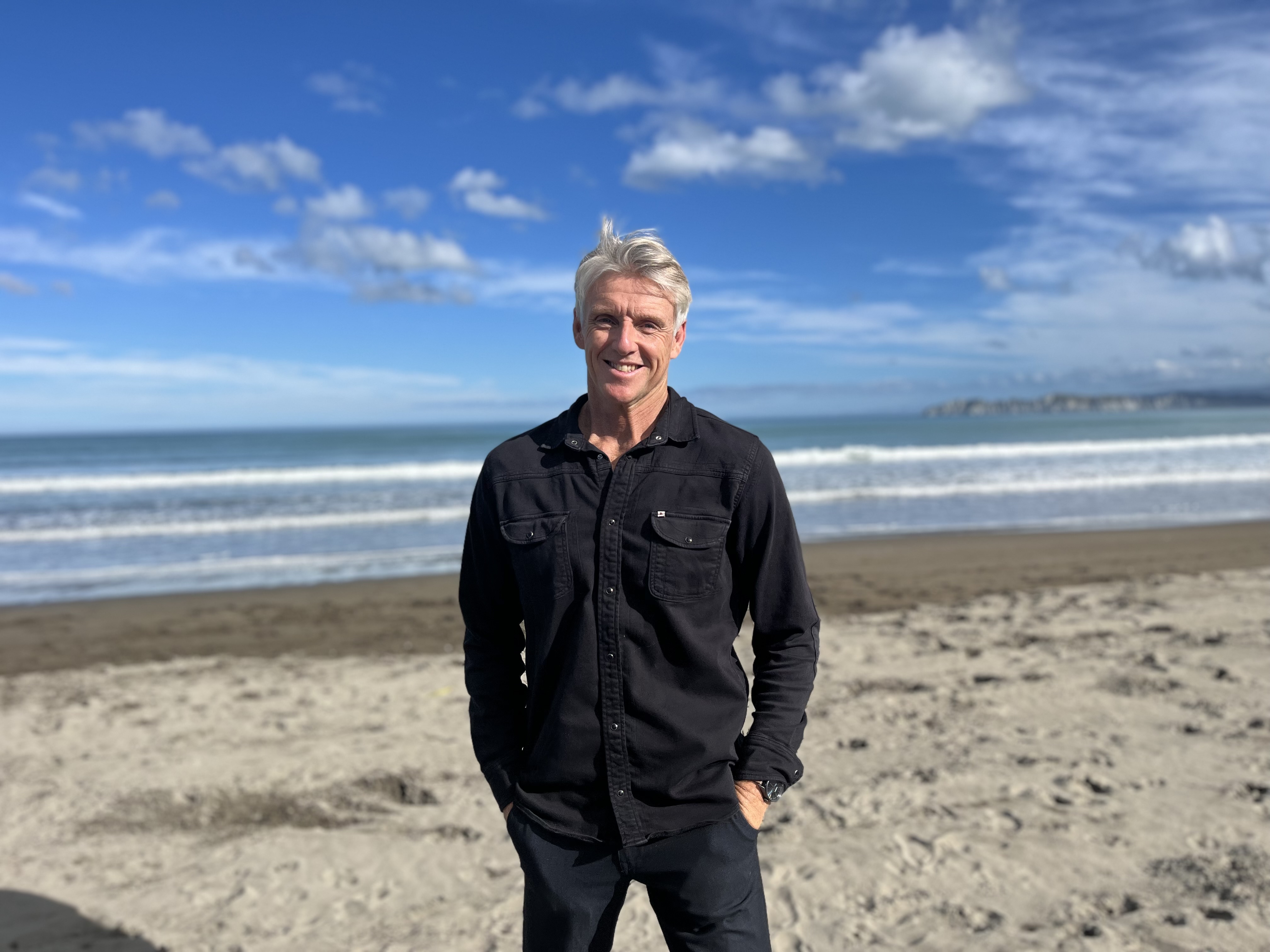
Pete Howarth-Jarratt is a business coach and speaker helping leaders and businesses get unstuck. He works with leaders across New Zealand and internationally — challenging them to think more clearly, act more boldly, and build the kind of tenacity that creates lasting results. Get in touch at petehowarthjarratt.com


